Why the First 7 Seconds of a Phone Call Decide Whether You Get the Job
Callers form an impression of your business within the first seven seconds of a phone call. If nobody answers at all, that impression is made even faster, and it is almost always permanent. Here is what that means for your business and what you can do about it.
Seven seconds is not a lot of time
Think about what happens in seven seconds. You can read this sentence. You can glance at a text message. You can unlock your phone. That is all the time a caller needs to decide whether your business feels professional, trustworthy, and worth their money.
The research on this is consistent. Studies on first impressions in telephone interactions show that tone, speed of answer, and the quality of the greeting all register before the caller has even explained why they are calling. A warm, professional greeting that comes on the second or third ring tells the caller they have reached a business that is organised, available, and ready to help. Silence, a long ring, or a voicemail greeting tells them the opposite.
This matters because most of your callers are making a choice. They are not calling you because you are the only option. They found three or four businesses on Google and they are calling down the list. The one that answers well wins. The one that does not answer at all, loses before the conversation even starts.
What actually happens when nobody picks up
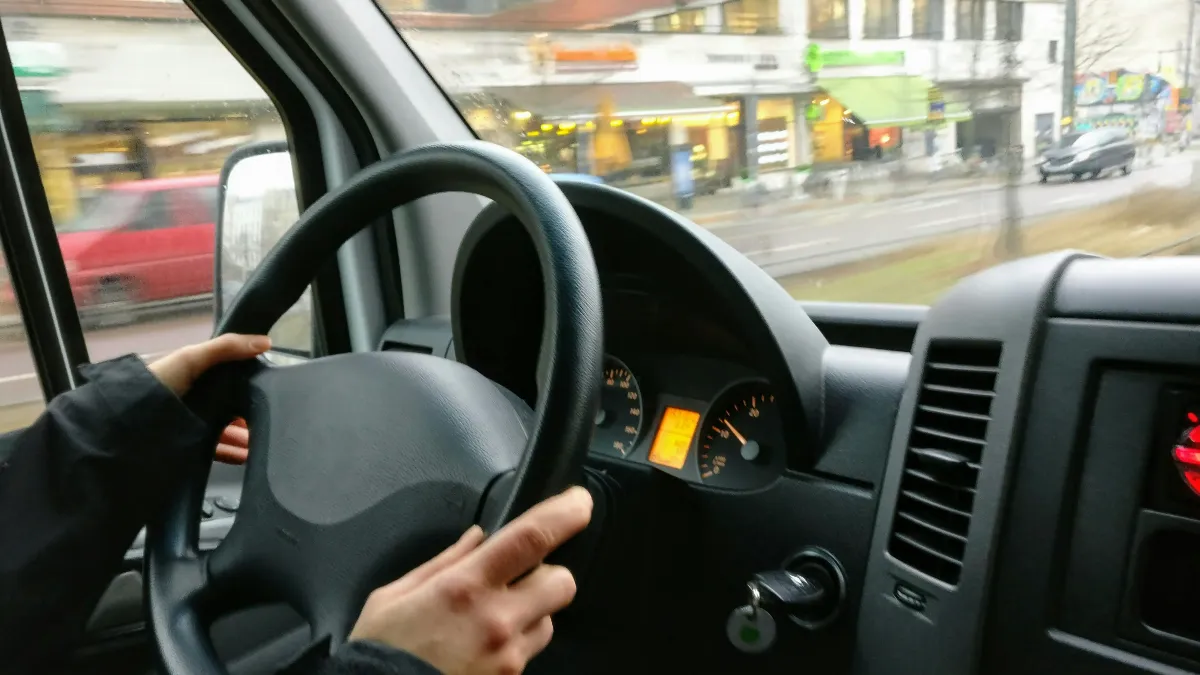
Let's say you are a plumber. You are under a kitchen sink replacing a waste trap. Your phone rings in the van. You cannot answer it. The caller hears four rings and then your voicemail greeting plays.
Here is what happens next, according to the data. 80% of callers who reach voicemail do not leave a message. They hang up. They open Google. They tap the next result. They call. Someone else answers. That someone else now has your lead.
The whole process takes about fifteen seconds.
And of the callers who do not get through, 85% will never try your number again. Not because they are unreasonable. Because they do not need to. There are alternatives everywhere, and every single one is a ten-second search away. The caller with a burst pipe at 7am is not going to leave a voicemail and hope you check it by lunchtime. They need someone now.
This is not hypothetical. UK tradespeople lose an average of £24,000 per year to unanswered calls. For dental practices, the figure is even higher because of the lifetime value of each patient. The missed call calculator lets you put your own numbers in and see what those unanswered calls are actually costing.
The psychology behind why callers do not wait
There are deeper reasons why voicemail fails, and they are worth understanding because they explain why this problem is getting worse, not better.
Voicemail feels like a performance. You are speaking into a recording, trying to summarise your problem in thirty seconds, knowing you are being judged by your own message. Most people find this awkward. They stumble over their words, forget details, or simply freeze. Hanging up is easier.
Voicemail also sends an unintended message. When a potential customer calls your business and reaches a recorded greeting, what they hear at a subconscious level is: you are not important enough for me to be available right now. That is not the first impression any business wants to make, especially when the caller is weighing up whether to trust you with their money, their home, or their health.
And then there is the conversation gap. A phone call is a two-way exchange. Voicemail converts it into a one-way broadcast. Callers ring because they want a dialogue. They want to explain their problem, ask a question, get a sense of whether you are the right fit. Voicemail makes all of that impossible. So they go somewhere that makes it possible.
The generational shift makes this worse every year. Research shows that 67% of people aged 18 to 34 have never even set up their own voicemail greeting. They do not use voicemail in their personal lives and they do not expect businesses to rely on it either. But this behaviour is not limited to younger callers. Across every age group, the instinct is the same: if nobody answers, Google someone who will.
What a good first impression actually sounds like
The businesses that win on first impressions are not doing anything complicated. They are doing one thing consistently: answering the phone.
That sounds obvious, but for a sole trader electrician on a ladder, a plumber elbow deep in pipework, or a dental receptionist already on another call, it is genuinely difficult. You cannot pause a job to take every call. You cannot hire a full-time receptionist when your turnover does not support it. And you cannot keep checking voicemails during your lunch break and expect to call everyone back before they have already booked someone else.
The greeting itself matters too. A caller who hears a confident, professional response within three rings forms an immediate impression of competence. The specific words are less important than the tone and the speed. A warm "Good morning, Smith Plumbing, how can I help?" delivered promptly tells the caller everything they need to know. You are real. You are available. You are organised.
Compare that to: four rings, five rings, six rings, voicemail. The caller has already made their decision before your recorded message finishes playing.
Your missed calls are your competitor's inbound leads
Here is a perspective most business owners do not think about. When a potential customer calls you and nobody answers, they do not give up on the service. They still need a plumber, a dentist, a locksmith, or a solicitor. They just need a different one.
Your voicemail greeting is literally the last thing they hear before calling your competitor. And your competitor, if they are answering every call, is not just capturing their own leads. They are capturing yours too, funded by your own Google ranking, your own marketing spend, and your own reputation.
The cost of a missed call is not just the job that walked away. It is the annual service contract that customer would have signed up for. It is the referral they would have sent their neighbour. It is the five-star review they would have left on your Google Business Profile. Every unanswered call is a branch of future revenue that never grows, and a branch that grows for someone else instead.
What the numbers look like for a typical UK small business
Take a one-person operation receiving ten calls a day. If you miss 40% of those calls, which is conservative for someone who is out on jobs all day, the maths looks like this.
Four missed calls per day. 3.2 of those callers do not leave a voicemail. 2.7 of them never call you again. At an average job value of £600, that is over £1,600 per day in potential lost revenue. Over 22 working days, that is more than £35,000 per month in enquiries that disappeared without a trace.
Even if only 10% of those callers would have converted to paying customers, you are still looking at £3,500 per month walking away in silence. Annually, that is over £42,000 in invisible lost revenue.
The word "invisible" is the problem. There is no notification for a missed opportunity. No invoice for the job you never knew about. Your phone just seems quieter than it should be, and you assume business is slow, when actually business was trying to reach you and could not get through.
How to fix the first impression without hiring a receptionist
You have three realistic options.
The first is to hire someone to answer your phone. This works well but costs £22,000 to £28,000 per year minimum in salary alone, and it still only covers standard working hours. Emergencies at 2am, weekend enquiries, and bank holiday calls still go unanswered.
The second is a traditional answering service. A team of operators answer on your behalf, take a message, and pass it along. This solves the availability problem but introduces a new one: the person answering your calls knows nothing about your business. They cannot tell a caller the difference between a combi boiler and a system boiler. They cannot explain your service area or assess whether a job is urgent. They take a name and number, and you are still calling everyone back.
The third option is an AI receptionist. It answers every call instantly, 24 hours a day, 7 days a week. It knows your business, your services, your service area, and your emergency protocols because you configured it