Dr Sarah Mitchell had tried everything. She put a cancellation policy on her booking confirmation emails. She asked reception to call patients the day before. She even tried a £25 deposit for new patient consultations. Her no-show rate sat at 22% regardless. One in five booked appointments is gone.
The practice was losing somewhere between £3,000 and £3,500 a month in chair time. Not from people cancelling, which she could at least plan around, but from people simply not turning up. Chairs are sitting empty. Staff paid and ready. The appointment just never filled.
The actual problem was simpler than she thought
Most of her patients weren't choosing to come. They forgot.
That sounds obvious, but it changes what you need to do about it. A deposit policy doesn't help a patient who genuinely lost track of an appointment booked eight weeks ago. Neither does a cancellation fee. What helps is a well-timed reminder, through the right channel, close enough to the appointment that it still means something.
At Dr Mitchell's practice in Brighton, patients were typically booking four to twelve weeks out. A check-up booked in January for mid-February is easy to forget. Life fills the gap. The appointment doesn't surface again until it's too late, or not at all.
Her reception team was already making reminder calls when they could. The problem was when they could. Three people managing patient arrivals, payments, inbound calls, and the appointment book simultaneously don't have reliable pockets of time to work through a confirmation list. Some patients got called, some didn't. The ones who didn't were more likely not to show.
What changed?
Voco was configured to handle two things at the practice: inbound calls during busy periods, and an automated reminder sequence tied to every appointment in the calendar.
Seven days out, patients got an SMS with the date, time, and treatment, plus a simple way to confirm or ask to rearrange. Two days out, another SMS. Morning of the appointment, a short automated voice call for anyone who hadn't confirmed by then.
Patients who replied to cancel weren't just dropped. The AI offered to rebook them then and there. So cancellations stopped being dead ends and started being conversations.
Eight weeks later
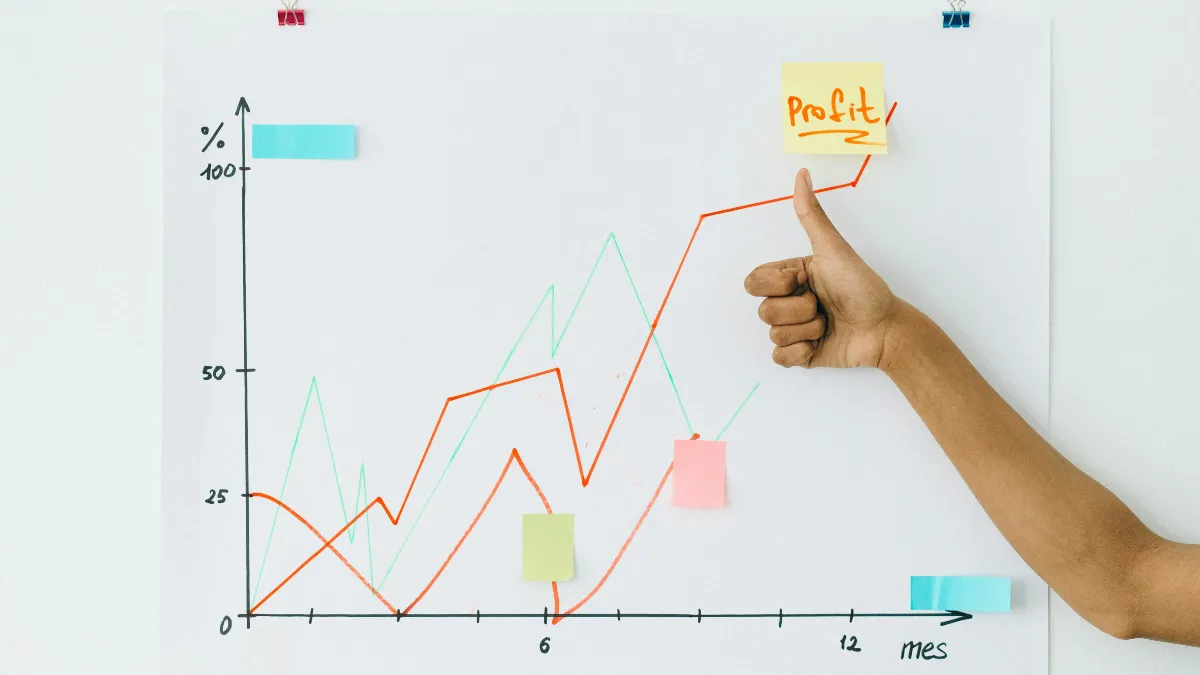
The no-show rate went from 22% to 9%.
On a practice doing 80 to 100 appointments a week, that's roughly 10 to 12 more appointments actually attended per week that had previously been written off. At an average appointment value of £180, the practice was recovering somewhere between £7,200 and £8,640 a month in revenue that had been disappearing quietly.
The reception team noticed the difference, too. Fewer last-minute gaps to scramble around. More predictable days. Less time firefighting and more time with patients in front of them.
Why the manual approach keeps failing
It's not that manual reminder calls don't work. They do, when they happen consistently. That's the part that breaks down.
Dental reception is not a job with spare minutes. The same person handling a new patient registration, processing a payment, and answering the phone is not going to make it through a confirmation list every day without something slipping. And the calls that get skipped are random, not systematic, so you never know which patients got reminded and which didn't.
Automation doesn't care how busy the front desk is. The reminders go out at the same time, to every patient, every day. That consistency is the thing that actually moves the number.
The part most practices don't calculate
The £180 lost appointment is the visible cost. It's not the full one.
A private dental patient who drifts away, books with someone else, and doesn't come back is worth considerably more than a single appointment. Two check-ups a year, two hygienist visits, the occasional restorative or cosmetic treatment over ten years adds up to somewhere around £5,600 per patient at the conservative end. Lose five patients a year to attrition, and that's £28,000 in future revenue that won't appear on any monthly report until it's long gone.
Practices that keep patients engaged with reliable, professional communication retain more of them over time. That's not a soft benefit. It compounds.
Is this worth it for your practice?
If your no-show rate is above 8% and you're booking 60 or more appointments a week, the numbers